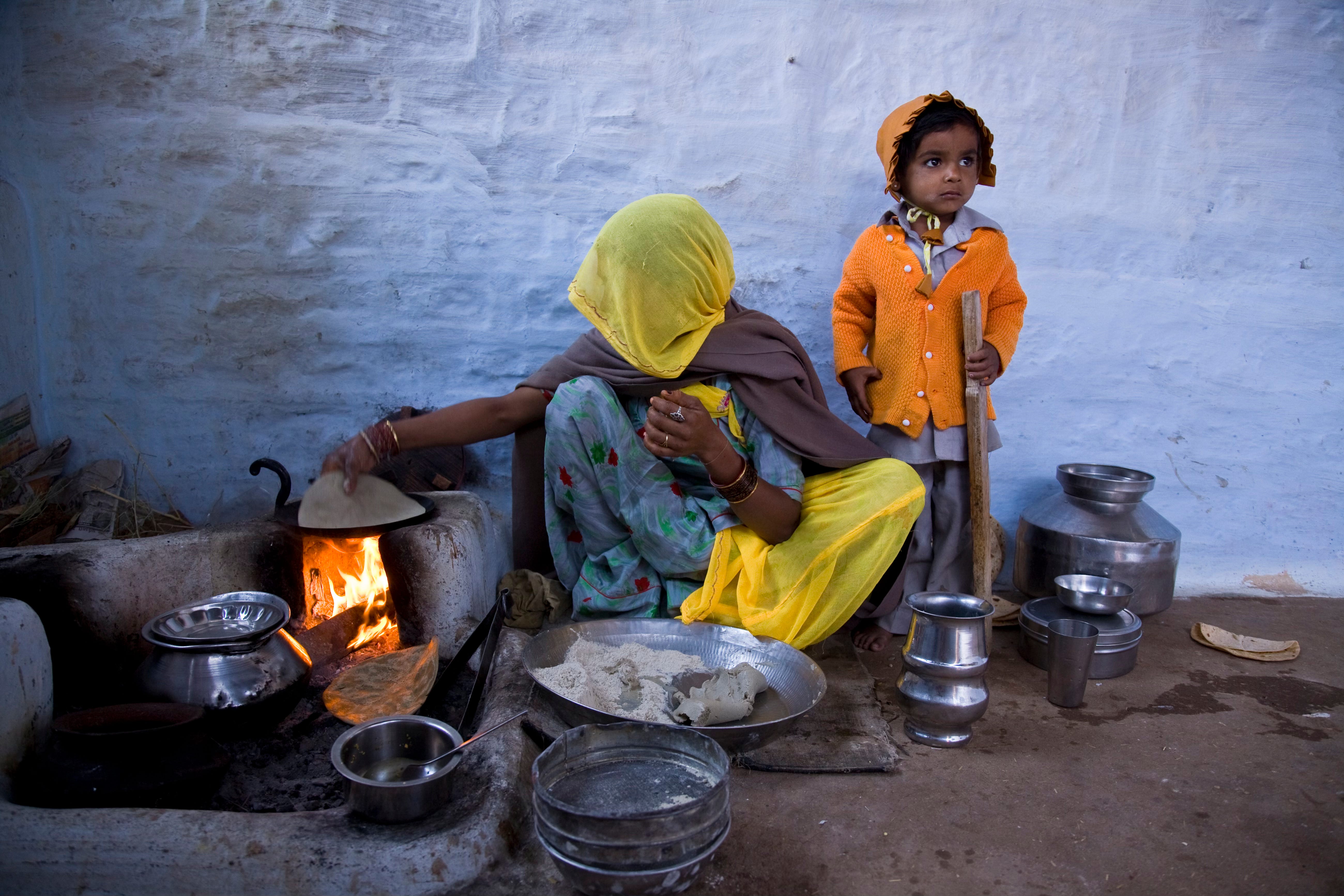
In a small village in the Punjab, a girl of about eight years old crouches over a clay stove, feeding it patties of dried cow dung. Smoke billows into her face. She coughs while feeding the fire. There is no reliable electricity. When the family gets a little extra money, they buy liquified petroleum gas (LPG), which burns cleanly, as natural gas does in stoves in the wealthy West. Unfortunately, that LPG just got priced out of reach for hundreds of millions like her.
The 2026 Iran war and the closure of the Strait of Hormuz were the triggers for the current energy crisis, but the underlying cause is the chronic underinvestment and underdevelopment of oil and gas resources by poor, developing, and rich nations alike over the last ten years. Policymakers diverted that money into green energy, which failed to prevent the crisis.
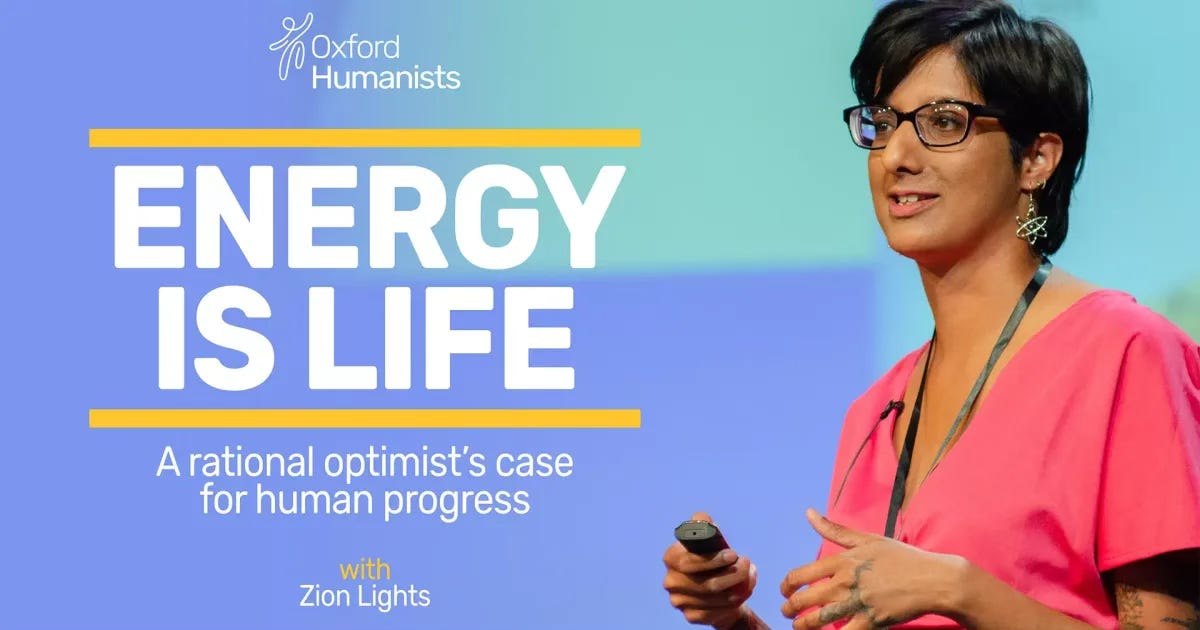
Zion Lights, the author of an essential new book, Energy Is Life, watched the above scene during a visit to her parents’ ancestral village in India. Her parents had emigrated to Birmingham, England, in the late 1960s and 1970s to work in factories. The factories gave them wages, dignity, and a foothold in the developed world. The family they left behind in the Punjab remained trapped in a poverty so total that it touched everything: health, education, opportunity, lifespan. At the root of it all is the lack of energy.
The energy crisis will hurt poor people in poor nations far more than anyone in the U.S. or the rest of the West. Asian countries receive 80 percent of their energy supply through the Strait of Hormuz. For Bangladesh, which sources 72 percent of its LNG from Qatar and the UAE, the supply disruption translates to an extra $760 to $830 million in monthly import costs.
“All poverty is energy poverty, when you think about it,” Lights said in our new podcast. “They’re living in 40-degree Celsius heat. No air conditioning. You can give them an air conditioner, you can give them money for an air conditioner, but how’s it going to work if you don’t have the electricity?”
It would be unfair to entirely blame the lack of oil and gas supplies on Western climate policy. Beyond the Iran war, governance failures, corruption, conflict, and infrastructure decay all play important roles. India’s power sector dysfunction predates any climate agreement. Pakistan’s circular debt crisis has roots in decades of mismanagement and subsidy distortions. Sub-Saharan Africa’s electricity deficit reflects bad governance, underinvestment, and the difficulty of building transmission infrastructure across vast, sparsely populated territories.
But climate policy has been the dominant priority in wealthy nations’ engagement with the developing world for two decades, and Western green NGOs have even blocked the construction of hydroelectric dams, which tend to be the first reliable source of power that poor nations develop as they rise the development ladder.
Beginning in the early 2010s and accelerating sharply after the 2015 Paris Agreement, Western development banks, private financial institutions, and national governments began systematically restricting financing for oil, gas, and coal projects in the developing world. The stated rationale was climate change. The practical effect was to deny poor countries the energy infrastructure that every wealthy nation used to climb out of poverty.