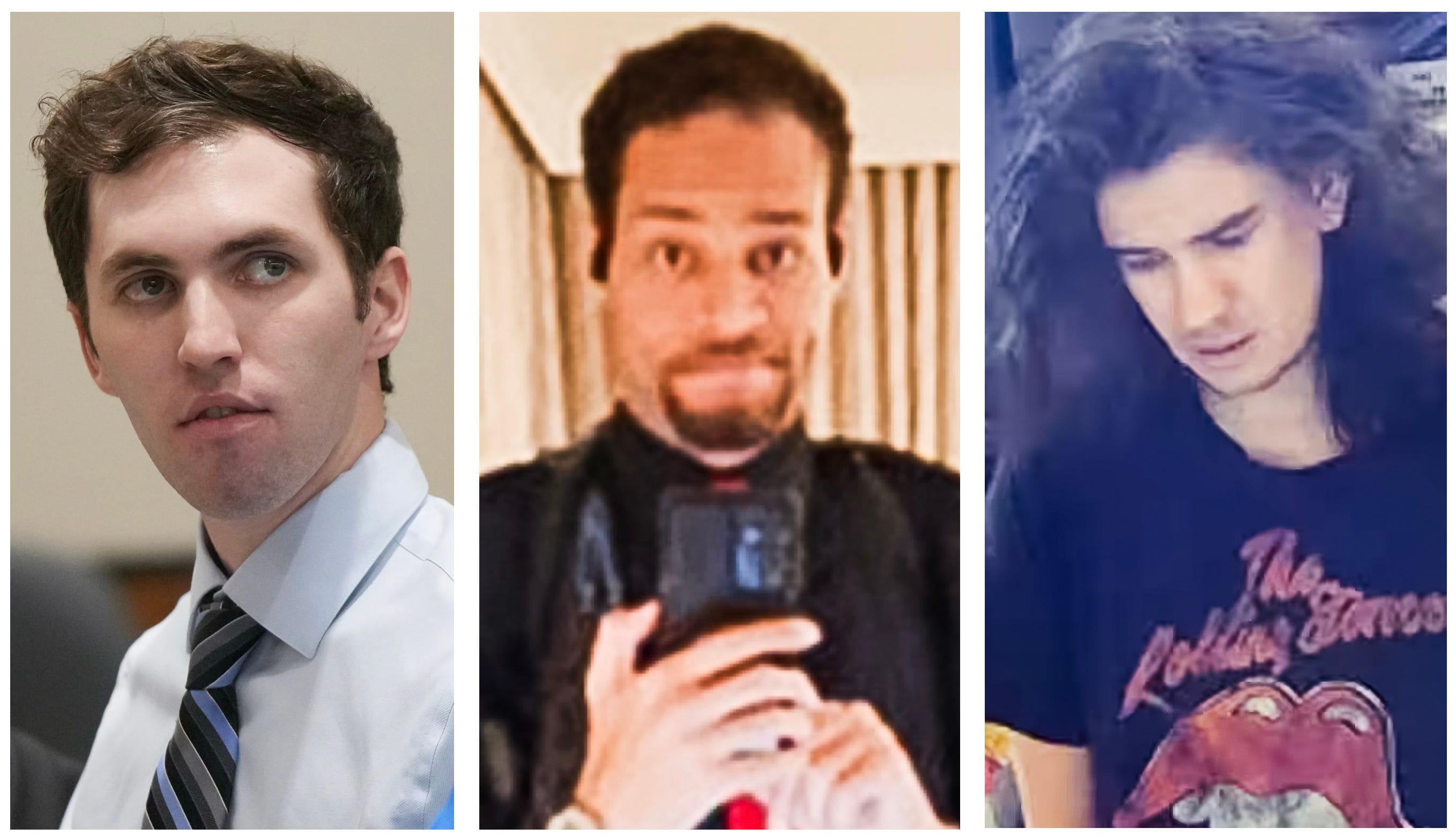
Cole Allen, the man who sought to murder high-ranking Trump administration officials, as well as the president, at the White House Correspondents Association Dinner late last month, is an enigma, according to many in the media. A former student of Allen called him a “kind of a normal guy.” Allen was of above-average intelligence, graduated from Caltech with an engineering degree, obtained a master’s in computer science, and received teaching credentials. In December 2024, Allen’s employer named him “Teacher of the Month.” Understandably, then, investigators told reporters they had not yet pieced together a motive.
But it’s clear Allen had a savior complex. He felt a moral duty to sacrifice his life to save people he considered victims. “I’m not the person raped in a detention camp,” he wrote. “I’m not the fisherman executed without trial. I’m not a schoolkid blown up, or a child starved, or a teenage girl abused by the many criminals in this administration…. I am no longer willing to permit a pedophile, rapist, and traitor to coat my hands with his crimes.”
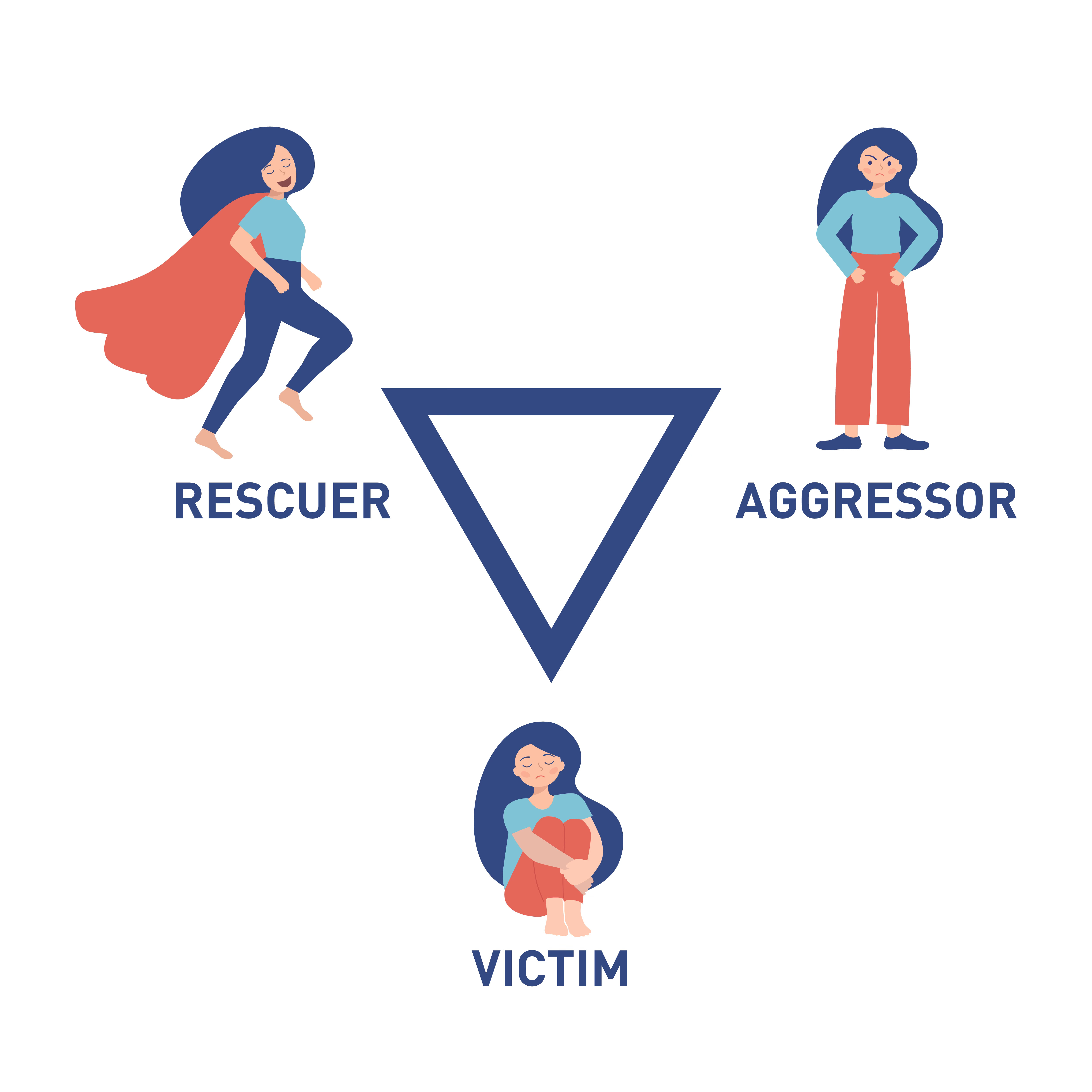
Allen not only sought to play the rescuer, he also sought recognition for his sacrifice. “Oh, and if anyone is curious is [sic] how doing something like feels,” he wrote in his manifesto, “it’s awful. I want to throw up; I want to cry for all the things I wanted to do and never will, for all the people whose trust this betrays; I experience rage thinking about everything this administration has done.”
There is still much we do not know, including about Allen’s mental health. Jim Clemente, a former FBI profiler who worked the Unabomber and DC sniper cases, said that Allen “doesn’t sound like a psychopath.”
But new facts are likely to radically alter the conclusion that he had a savior complex. Clemente noted that Allen wanted to “be some kind of hero, and that would make him feel better about himself, and it would be worth it to lose his life doing this.” And individuals with a savior complex may also suffer from intersecting issues like grandiose delusions, cluster B personality disorders, or depression.
At the heart of progressive politics is rescuing victims. Consider Alex Pretti and Renee Good, who law enforcement shot after they interfered with police operations in Minneapolis. Good used her car to disrupt an ICE operation. Pretti was killed by federal agents after he placed himself between an agent and a woman the agent had pushed to the ground. Both appear to have been gripped by the savior complex.
All of this matters because Allen’s case comes at a time of rising left-wing violence in the name of protecting vulnerable people. Tyler Robinson, a 22-year-old Utah man, killed Charlie Kirk at Utah Valley University in September 2025, saying, “There is too much evil and the guy spreads too much hate.” Nicholas Roske, the California man sentenced to ninety-seven months for arriving outside Justice Brett Kavanaugh’s home with a Glock and a tactical knife in June 2022, told the FBI he wanted to kill three conservative justices to swing the Court for “decades to come.”
The savior complex appears on the right as well. People who bomb abortion clinics cast themselves as rescuers of unborn children. Anders Breivik killed seventy-seven people in Norway in 2011 in the name of rescuing civilization.
But more on the Left than the Right have a savior complex, in my experience. The language, behaviors, and thinking of Allen, Pretti, and Good are familiar to me personally, as I had a savior complex starting in my teens, which contributed to my radical left-wing activism.
But what is the savior complex, exactly, and why is it so prevalent on the Left?
Terrorism And The Spiritual Vacuum