Stock markets around the world are crashing after the destruction of a single, massive liquefied natural gas (LNG) facility in Qatar by Iranian missiles last night. Shell’s Pearl GTL sat inside the larger Ras Laffan complex, which, before the war, produced roughly 20% of the world’s liquefied natural gas (LNG). It had taken four years, from 2007 to 2011, to build. Its loss will mean a long-term shortage of LNG. Europe’s LNG prices rose 35% since the attack and by more than 100%, from €32 euros per MWh to over €70 today, since last month. Asia was already returning to coal before the loss of the Pearl GTL facility, and will burn more of it now that LNG is being priced out of reach of poor nations. Already, Qatar’s North Field expansion had been delayed to mid-2027. With the rebuild of Pearl GTL expected to take three to five years, that expansion timeline slips further.
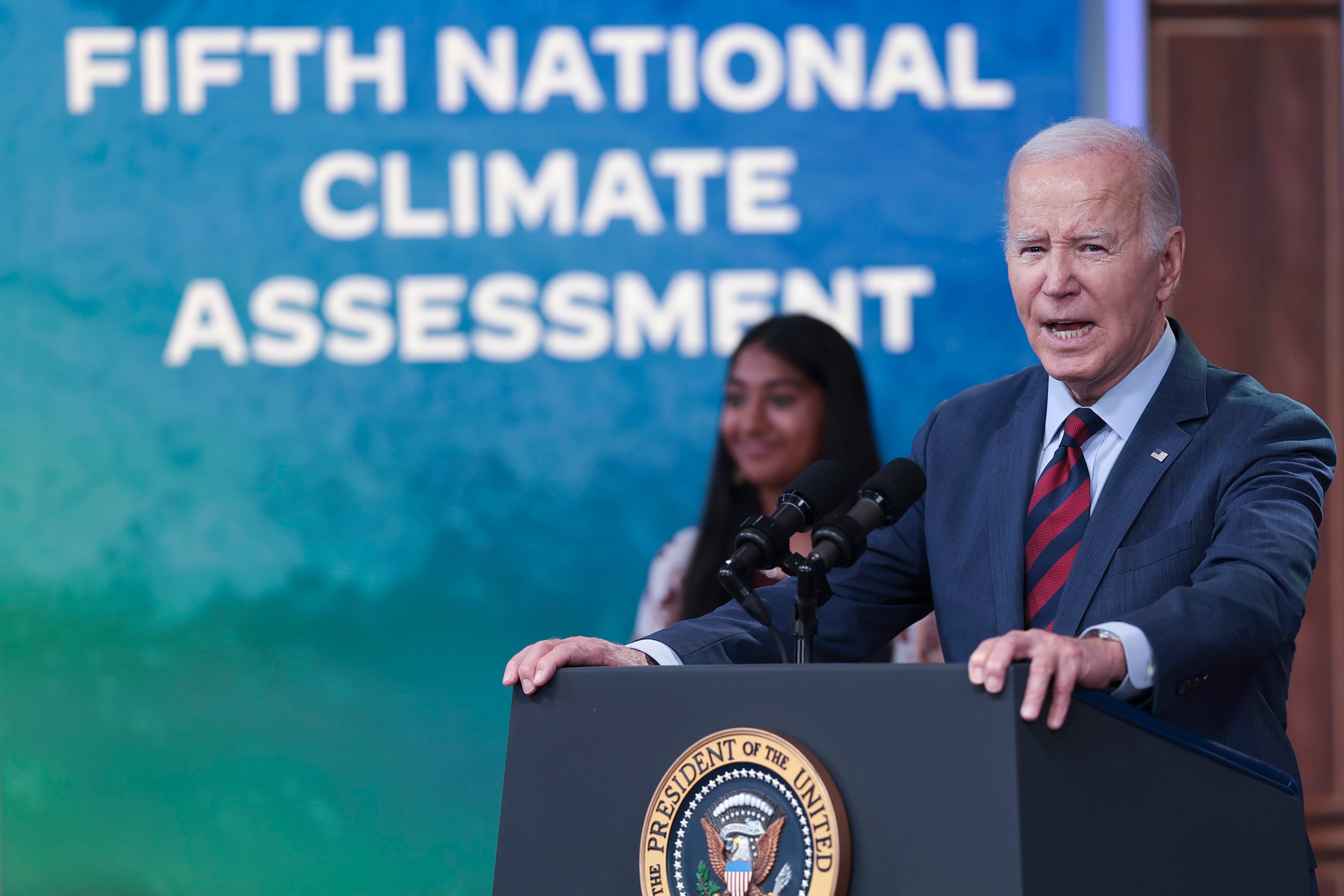
But the underlying reason for this crisis is a lack of LNG plants. We didn’t need more natural gas infrastructure, said the media, Democrats, and climate advocates, over the last 15 years. Every new LNG terminal was, they said, a “climate bomb.” Groups including Reclaim Finance, Rainforest Action Network, Bill McKibben’s 350.org, and Greenpeace waged a coordinated campaign to cut off financing for LNG terminals. They staged die-ins outside Bank of America. They cut up credit cards at Chase branches. They captured $130 trillion into the Glasgow Financial Alliance for Net Zero. They published annual scorecards shaming any bank that lent to LNG developers. The divestment movement boasted that $39.2 trillion in capital had been “blocked” from fossil fuels. The groups succeeded beyond their wildest dreams. Biden paused new LNG export approvals in January 2024 under direct pressure from climate groups. Investors have underinvested in LNG ever since.