


Two days before Communications Minister Anika Wells introduced the Digital Duty of Care Bill into Parliament, Australia’s publicly funded national broadcaster, the ABC, premiered “The State of Man”.
ABC Presenter Marc Fennell opens the three-part series with a story about leaving his son watching Minecraft videos on YouTube while he cooks dinner. Twenty minutes later, he returns to find YouTube autoplaying a Joe Rogan clip about strong and weak men, opening a dark portal into the online “manosphere.”
Fennell’s anecdote conspicuously mirrors a core claim of advocacy group Teach Us Consent’s Digital Duty of Care (DDoC) campaign: that social media algorithms steer boys from innocent videos to misogynistic content in just 23 minutes. Teach Us Consent’s founder, Chanel Contos, appears in the series, repeating the same claim.
But peer-reviewed research finds that social media algorithms do not send young men down “misogynistic” rabbit holes, and the flawed research that the government and Teach Us Consent cite is based on small, non-randomized samples and is not peer-reviewed.
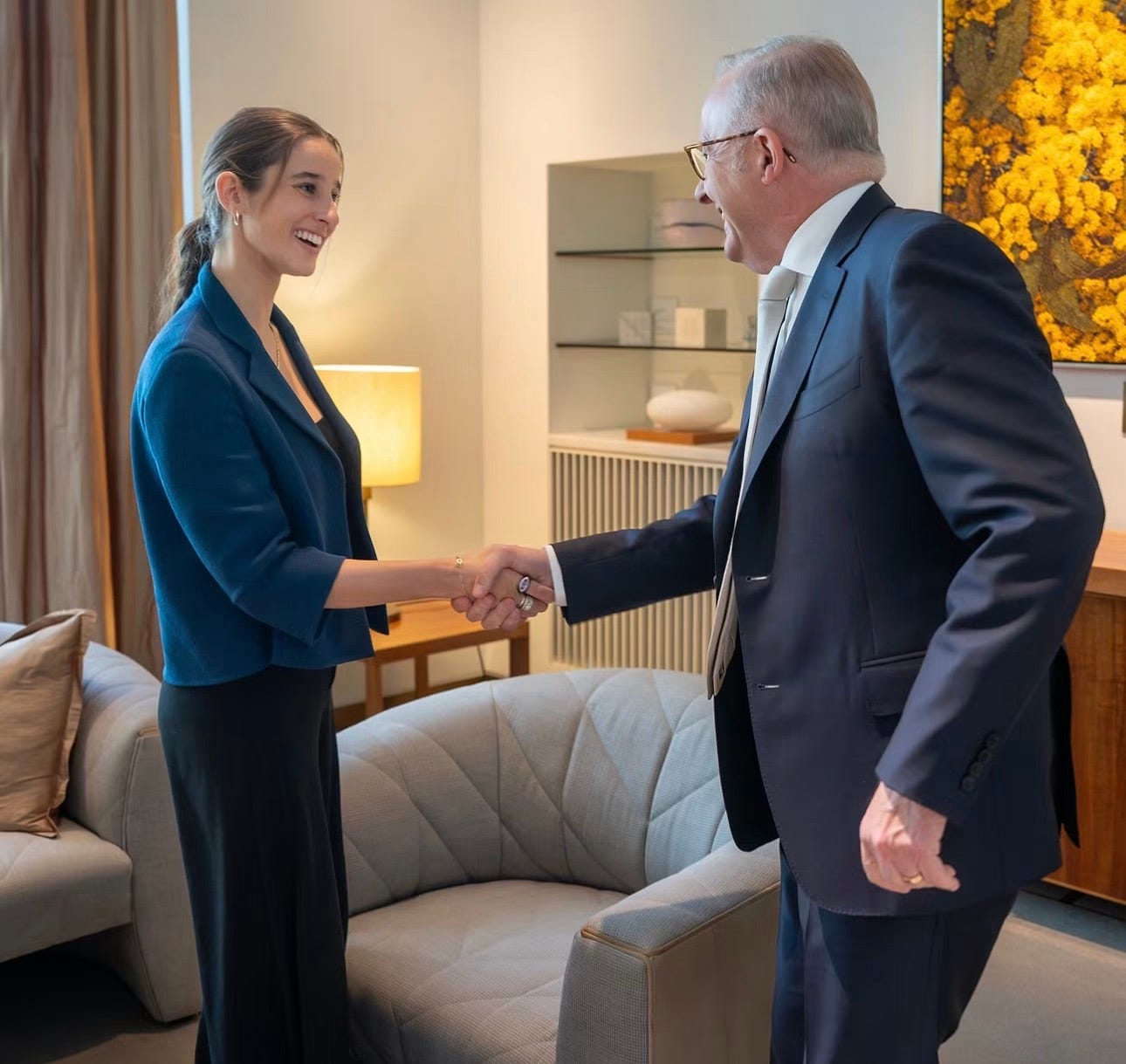
Despite this, the government, the ABC, and various NGOs have pushed the “23 minutes to misogyny” meme in their campaigning for the DDoC. “If you set up a social media account as a young boy in Australia today,” said Tanya Plibersek, Minister of Social Services, on ABC’s Insiders program, “it takes an average of 23 minutes for you to be fed violent misogynistic content online.”
Teach Us Consent also claims that “algorithms are fueling misogyny, which fuels sexual violence,” but cites no good evidence supporting the claim. It cites a researcher who interviewed 30 teachers who described boys who talked back to them, with the teachers simply hypothesizing that the boys were influenced online.
Public on Sunday published a review of 140 years of scientific literature, which demonstrates a scientific and judicial consensus that no link between media violence and real-world violence has been shown across dime novels, comic books, films, television, video games, the Internet, and social media.
Despite the lack of scientific evidence for a causal link between online content and real-world violence, the Albanese government is advancing sweeping legislation requiring digital platforms to anticipate and mitigate online “harms” before they occur, including harms arising from lawful expression. “Safety by design must anticipate all harms,” DDoC advocate Chanel Contos says, “not just the ones that neatly fit a category and are easy to report.”
No evidence, scientific or otherwise, suggests that platforms could ever anticipate “all harms”. Yet pursuing the ambition would grant the state unprecedented powers to monitor citizens and extend its regulatory reach into online expression and platform design.
So who’s behind the push? And why?
Enter Twiggy Forrest
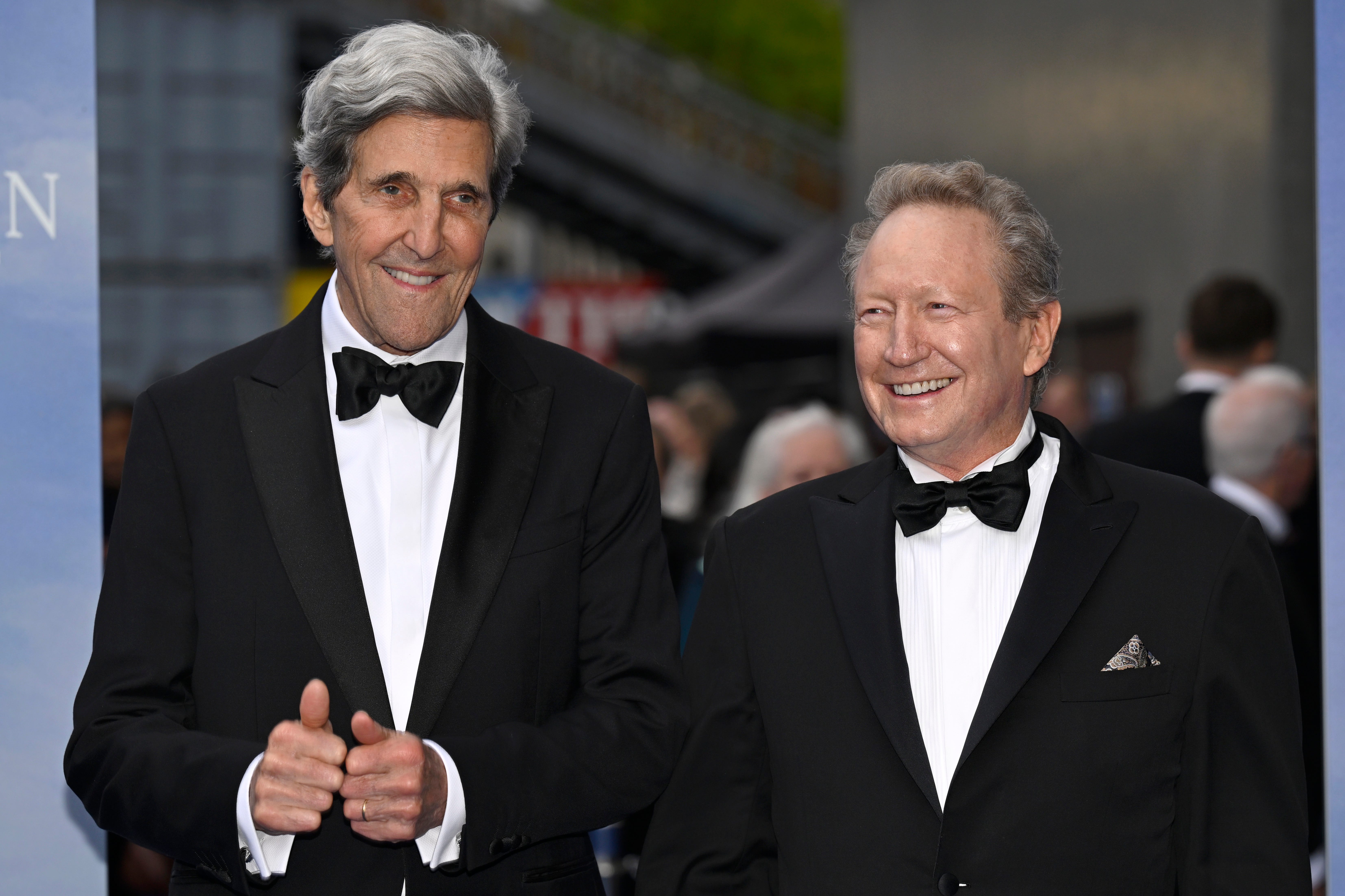
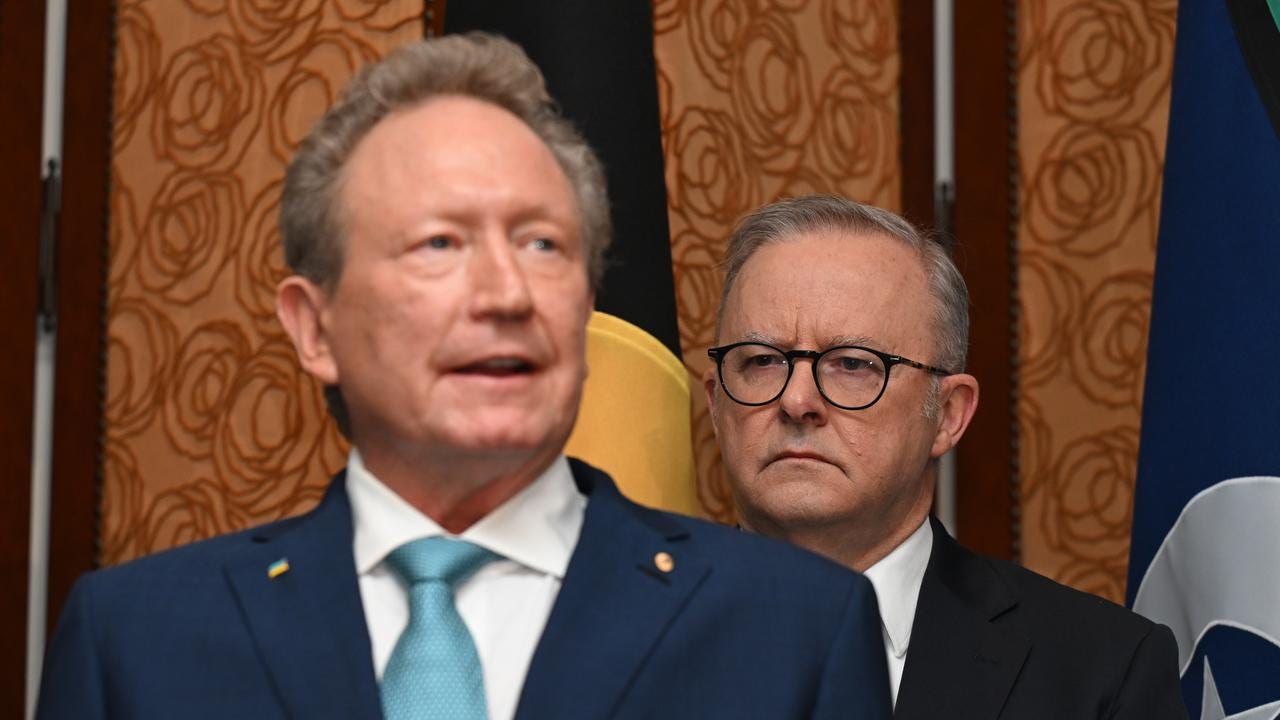
Both Fennell’s ABC series and Teach Us Consent received funding from the Minderoo Foundation, the philanthropic organization of Australian mining billionaire Andrew “Twiggy” Forrest.
“Development of ‘The State of Man’ started prior to Minderoo Pictures investment,” said a Minderoo Foundation spokesperson. “Minderoo Pictures invested alongside other organizations, including Screen Australia, ABC, VicScreen, and Screen NSW, and supported screenings. Minderoo Pictures does not have any editorial rights. All editorial for this program sits with ABC.”
As we investigated Minderoo’s wider involvement in the Digital Duty of Care, we uncovered a large network of funded research, advocacy groups, and policy groups working to build support for Labor’s legislation, revealing Forrest as a major financial force behind the Bill.
In May 2026, Minderoo committed $2.5 million to the Australian National University’s Global Institute for Women’s Leadership, an initiative chaired by former Labor Prime Minister Julia Gillard, for research into gendered online abuse and the influence of the “manosphere”.
Announcing the grant, Minderoo CEO John Hartman said, “Tech-based gender violence extends far beyond a single tool or platform - it can happen across every digital medium we use… add the prevalence of AI-generated content, including deepfake imagery and disinformation, and it only reinforces the need to act now.”
Minderoo’s fortunes are tied to Fortescue, the world’s fourth-largest iron ore miner. In June 2023, Andrew and Nicola Forrest transferred 220 million Fortescue shares, worth nearly A$5 billion (US$3.5 billion), to the foundation. According to Minderoo’s 2024/25 financial report, its Fortescue holdings generated A$487.9 million (US$344 million) in dividends that year, down from A$730.1 million (US$514 million) in 2023/24.
The mining giant has received millions in taxpayer money for its energy ventures. Its abandoned electrolyser factory in Gladstone, Queensland, was promised A$92.5 million in state funding and payroll tax concessions and A$44.5 million from the federal Modern Manufacturing Initiative, a total of A$137 million (US$97 million), of which about A$99 million was paid before Fortescue ditched the project in July 2025.
The Queensland government then sued a Fortescue subsidiary, Fortescue Hydrogen Systems Australia, to recover its A$66 million (US$46.5 million). The two sides settled and said the “terms of settlement are confidential.”
Last week, Fortescue warned that its Australian operations could be hurt if talks with the China Mineral Resources Group, Beijing’s state iron ore buyer, which Albanese has actively facilitated, did not conclude by year-end. Reuters reported that “Chinese buyers seek to lever China’s size to secure better terms for its steelmakers, which have faced thin margins and weak domestic demand.” Fortescue said its cash reserves fell from US$5.1 to US$3.2 billion between June 30 and September 30.
Fortescue describes itself as “one of the largest recipients of fuel tax credits,” a rebate that paid Australia’s 18 largest miners A$3.36 billion in 2024-25. It received $308 million in tax credits in 2025 alone.
Forrest’s Minderoo Foundation has become a major backer of Teach Us Consent, providing it with an undisclosed amount of “untied funding” supporting a policy event, and financing “Consensual,” a documentary co-written by Contos, with Teach Us Consent credited as its primary impact partner.
This is on top of Teach Us Consent’s extraordinary financial relationship with the Albanese government, through which it has secured nearly A$8 million (US $5.6 million) in public funding. FOI documents reveal that at least one major Albanese grant was awarded through a closed, non-competitive process, with the kind of reporting and approval obligations usually imposed on government contractors.
The ABC, Teach Us Consent, Communications Minister Anika Wells, and the Prime Minister’s Office were contacted for comment, but did not respond.

Minderoo has also cultivated close ties to Australia’s eSafety Commissioner, Julie Inman Grant, and collaborated with the Behavioural Insights Team, the infamous psychological manipulation consultancy spun out of the UK Cabinet Office of Prime Minister David Cameron.
Freedom-of-information documents we obtained from eSafety show months of correspondence between Minderoo and Julie Inman Grant, which led to her being flown to a secretive, all-expenses-paid AI policy retreat at Forrest’s personal home, a remote pastoral station in Western Australia.
The trip came to light when journalist Ryan Cropp reported that Inman Grant had failed to disclose the hospitality, worth more than A$5,000 (~US$3,500), on eSafety’s gifts and benefits register.
Inman Grant, said a spokesperson, “accepted an invitation to attend the Artificial Intelligence Summit, an event including more than 30 government, academic and technology leaders in AI at Minderoo Station, Western Australia.”
Five days after the summit, FOI documents show Minderoo emailed guests outlining plans to turn their ideas into an internal strategy and invited them to stay in contact and contribute to future projects.
As mentioned earlier, in May 2026, Minderoo awarded A$2.5 million (US$1.76 million) to former Prime Minister Julia Gillard’s Global Institute for Women’s Leadership for research into online misogyny, gender-based violence, and the “manosphere.”
The eSafety Commissioner also awarded the Institute A$494,610 (US$348,000) for research into preventing technology-facilitated gender-based abuse. Chanel Contos chairs the Institute’s Youth Committee.
Contos, Gillard, and Inman Grant all appear prominently in Fennell’s manosphere documentary, though he does not reveal their shared funding.
In September, Minderoo published research it commissioned from the Behavioural Insights Team, the British “nudge unit” that worked closely with Boris Johnson’s cabinet to craft extreme Covid-19 messaging. The “nudge unit” was condemned as “grossly unethical” by psychologists for its manipulative tactics in spreading panic and fear among the population in an effort to have them comply with severe government policies.
The report claimed that 99 percent of the 1,008 women surveyed had experienced abuse on dating platforms in the preceding three months. Alongside threats and unsolicited explicit images, the study’s definition of abuse included “love bombing”, which is excessive flattery, and “negging”, a form of ribbing and flirtatious insults. By grouping serious abuse with subtle and subjective behaviors, the researchers constructed a shocking headline statistic.
“Almost all women experience abuse on dating platforms, new landmark Australian research finds” was the heading of Minderoo’s media release for the study. “The DDoC should extend “hostile attitudes towards women” to include adults and beyond binary framing, and these protections shouldn’t be limited to children,” it said in a policy brief. “Adults are also exposed to recommender-driven misogynistic content, which is a well-established driver of TFGBV (Technology-Facilitated Gender-Based Violence), so this protection should extend to adults as well.”
Australian psychologist Nick Haslam calls this “concept creep”, where definitions of harm gradually expand to encompass things once considered relatively harmless. The phenomenon is a consistent feature of Minderoo’s research and advocacy.
In another policy advocacy article, for example, Minderoo draws on the Dublin City University study behind the widely circulated “23 minutes to misogyny” claim. They warn that “misogynistic content can be rapidly surfaced and reinforced”, with harmful ideas spreading from screens into schoolyards.
But the study’s 23-minute finding refers to “toxic” content, not “misogynistic” content. Its broad definition of “toxic” includes clips featuring British broadcaster Piers Morgan and motivational speaker David Goggins, alongside messages many people would consider positive, including “anyone can make it if they work hard enough”.
In a game of broken epistemic telephone, the researchers’ already broad category of “toxic” content became “misogynistic or extremist” material in Minderoo’s telling, then “extreme misogynistic” content in Chanel Contos’ campaigning, and finally “violent misogynistic content” in the words of federal minister Tanya Plibersek.
The effect has been to whip the Australian public into a panic over young men’s internet use and create a feeling of urgency for legislation that would put Australia’s online activity under government supervision.
It’s worth remembering that serious online abuse, including threats of violence, stalking, extortion and the non-consensual sharing of intimate images, is already covered by Australian criminal law. Under the existing Online Safety Act, the eSafety Commissioner can also order the removal of abusive material within 24 hours. eSafety can also compel platforms to provide identifying information about users and summon those people for questioning under oath. Refusing to cooperate with certain investigations can carry penalties of up to 12 months’ imprisonment.
Think Tanks And ABC For Hire
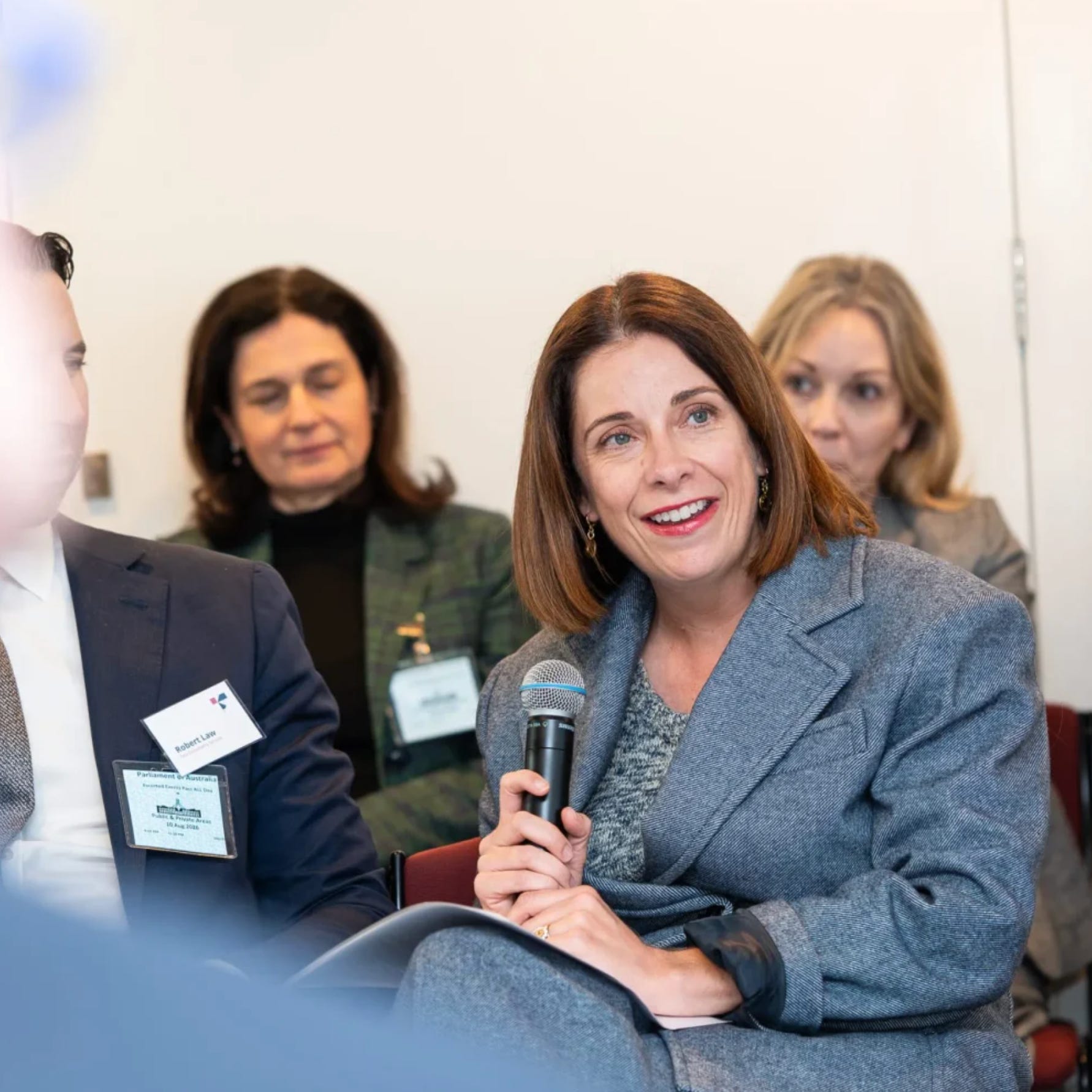
Four weeks before the Albanese government publicly launched the Bill, Communications Minister Anika Wells joined Greens leader David Shoebridge, eSafety officials, staff from the Office of the Prime Minister, and advocates from Minderoo-funded Reset.Tech and Teach Us Consent at a policy summit inside Parliament House. Also present were Freya Jansens, Minderoo’s Head of Freedom From Violence; the Deputy Commissioner of the Australian Federal Police; a delegate from the EU; and representatives from the British High Commission and the US Embassy, along with Apple, TikTok, Google, Meta, and more.
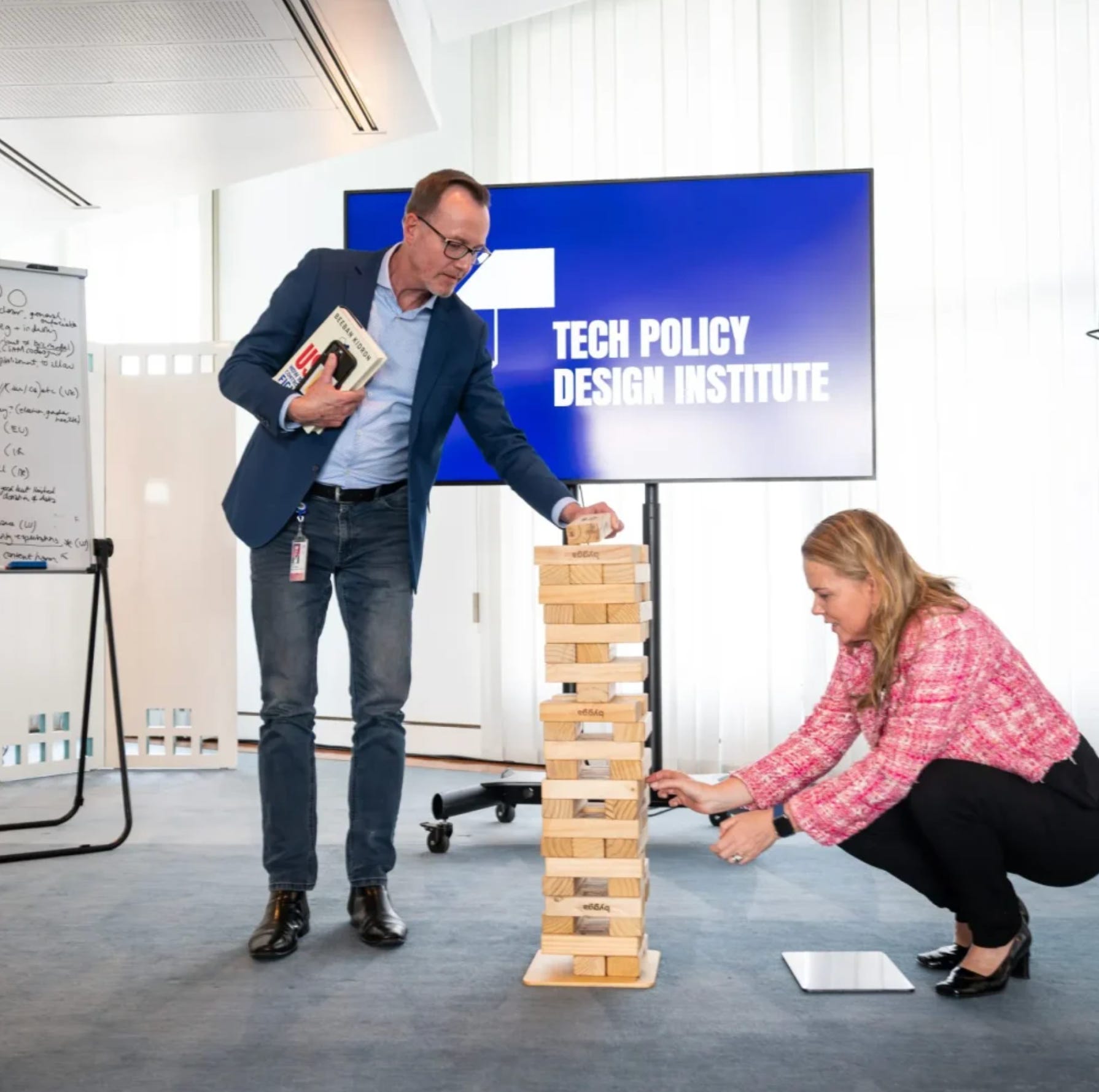
The gathering was organized by the Tech Policy Design Institute (TDPi), an influential think tank spun out of the Australian National University with financial backing from the Minderoo Foundation. In response to our questions, the TPDi stated Minderoo’s “total contribution to TPDi since 2024 is $150,000.”
The Institute is co-led by Zoe Jay Hawkins, whose bio states that she “oversaw the development of the Online Safety Act 2021” while an adviser to the conservative Morrison government’s Minister for Communications. Hawkins previously worked at the Australian Strategic Policy Institute, a RAND-style think tank largely funded by the Australian Defence Force. There, among other contributions, she wrote advisory papers for the army regarding the future of cyberwarfare.
The Institute declares itself “fearlessly independent”, insisting it “would rather fail than compromise” that independence. Yet among its special advisers is eSafety Commissioner Julie Inman Grant herself, whose agency stands to gain significant new powers under the legislation the summit was convened to discuss.
With so many familiar Minderoo-backed faces in the room, it’s perhaps unsurprising that the Institute reported broad agreement on the need for a Digital Duty of Care, before recommending expanding eSafety’s structure and resources.
Tom Sulston attended the summit on behalf of Digital Rights Watch (DRW), a digital rights advocacy group that received A$301,500 (US$212,000) from Minderoo in the 2024/25 financial year. DRW greeted Labor’s exposure draft as an “extremely welcome development”, an oddly enthusiastic response given the legislation’s implications for Australians’ digital rights.
DRW has a powerful admirer in Greens leader David Shoebridge, who singled out the organization in a News24 interview as his preferred source of expert advice on the legislation. DRW confirmed to us by email that its chair, Lizzie O’Shea, has met with Shoebridge. With the Coalition opposed and Labor dependent on Greens support to pass the Bill, the leader of the ten-senator Greens bloc is now a pivotal figure in determining the legislation’s fate in the Senate.
Other notable commitments on Minderoo’s ledger include A$7.5 million (US$5.3 million) over three years to Our Watch, a government-established organization that called for an overarching online duty of care; an undisclosed donation, reportedly worth six figures, to the Australia Institute, which subsequently commissioned polling to promote the Digital Duty of Care; and £3 million (US$4 million) to Cambridge University’s Centre for Technology and Democracy, which submitted evidence to Britain’s 2025 “manosphere” inquiry advocating for all the regulatory measures at the core of Australia’s 2026 Digital Duty of Care.

