Homelessness is the cause of mental illness and addiction, not the other way around, say Democrats. “Only one in seven people who becomes homeless has a mental health problem,” said California gubernatorial candidate Tom Steyer in a forum with Ezra Klein, “But virtually everyone who stays on the street for a long time develops one.” Klein agreed that the main issue was economic. “Before people become homeless, they are housed,” he said, “and what tends to happen is that they have an income shock or a health crisis or something happens where they can no longer pay their rent, and they’re evicted.” Los Angeles councilmember Nithya Raman, who is running for mayor, similarly frames homelessness as a structural issue, saying, “LA simply does not have the shelter beds it needs for its homeless population.”
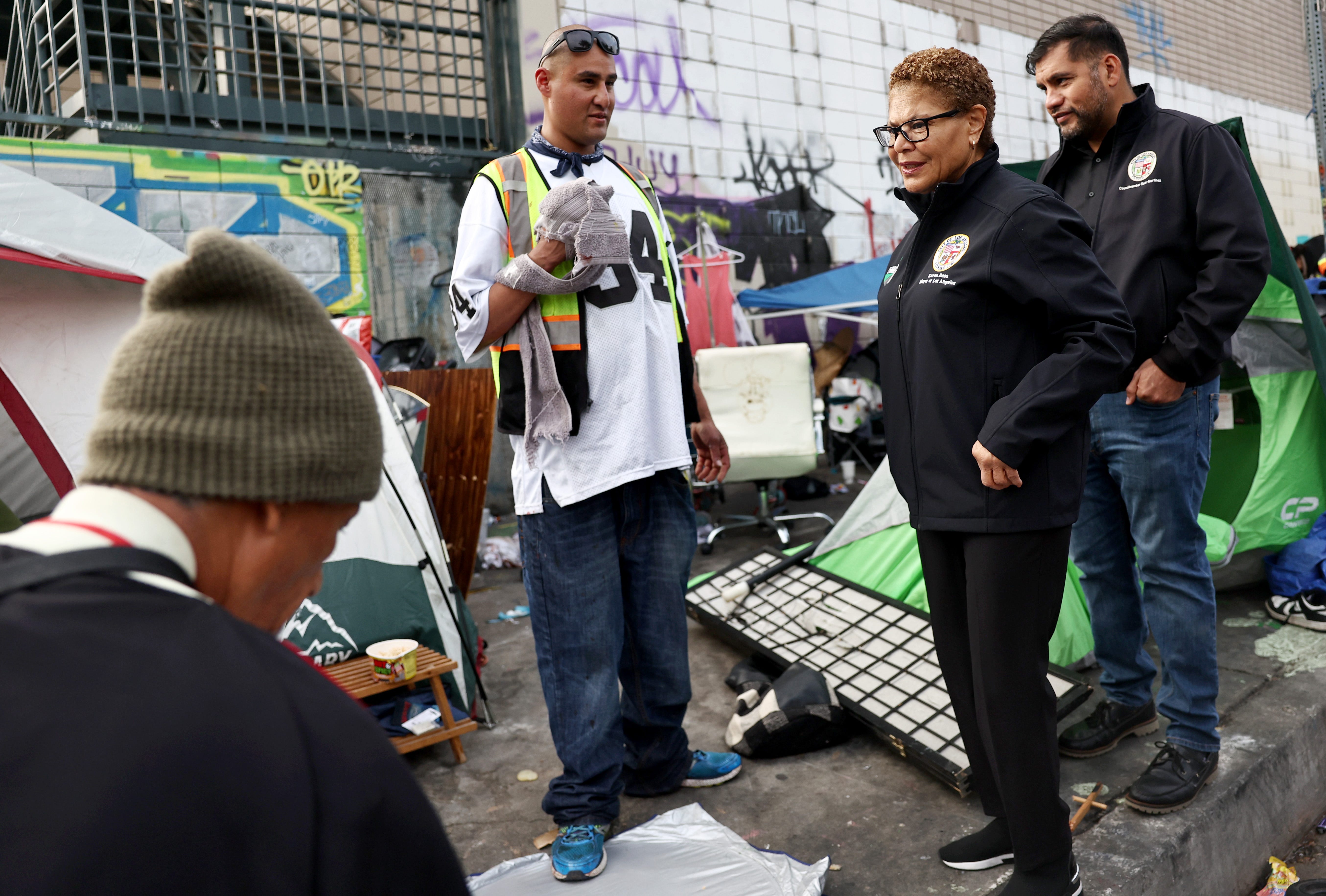
When asked about Spencer Pratt’s use of the word “zombie” to describe homeless people, LA Mayor Karen Bass said, “I doubt that he knows and many Angelenos know that the fastest growing sector of the unhoused population are senior citizen women in their late 60s and 70s… So I would be reluctant to call an 80-year-old woman a zombie.” Homelessness leads to addiction, she argued. “I don’t think her drug abuse led to her being on the street. I think it was economic factors,” Bass said. “Sleep on the street for a couple weeks, and tell me that your mental health is the same as it was before you were unhoused.”
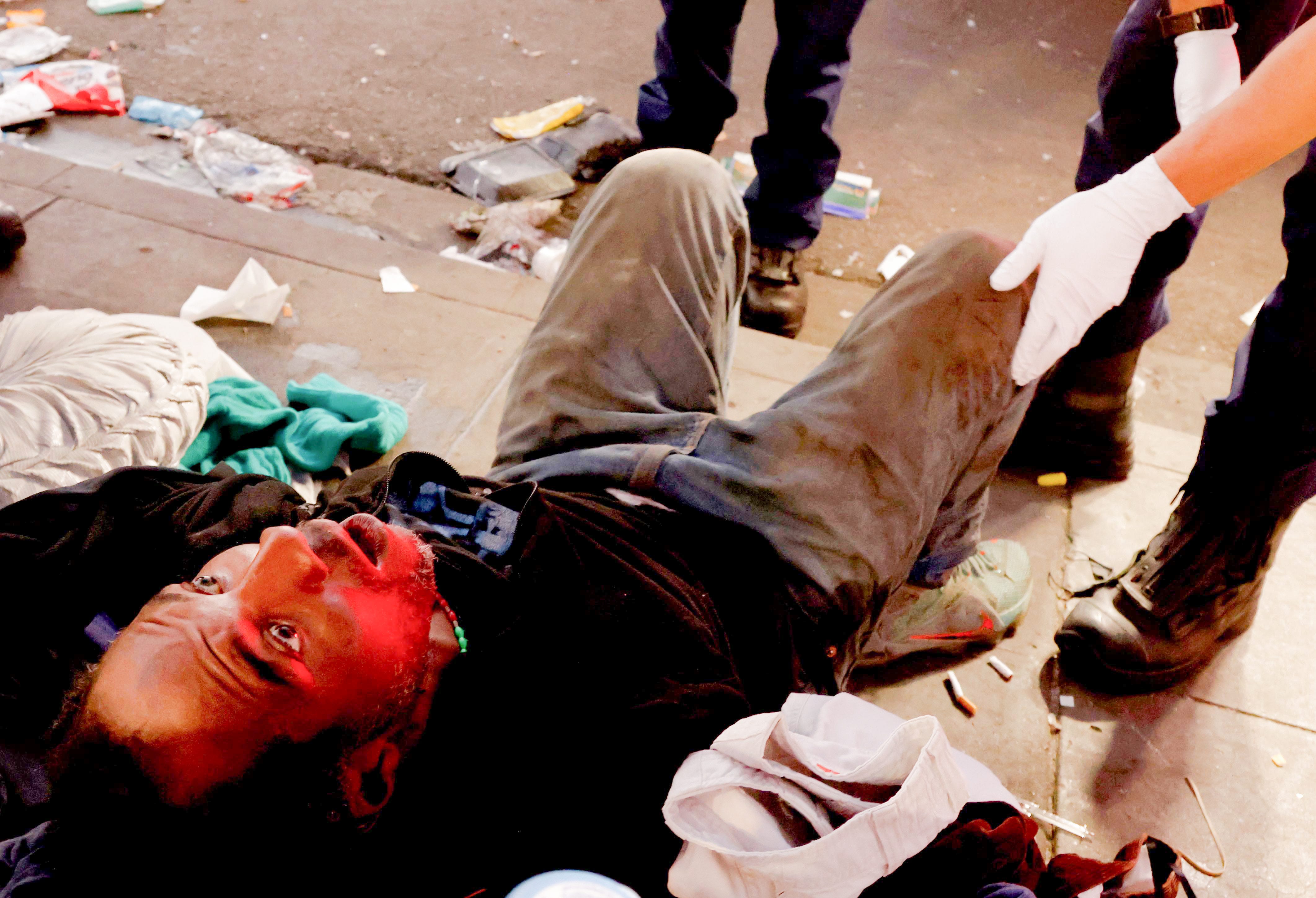
But the reality on the ground is that homeless encampments are open-air drug scenes, and their inhabitants are usually not there because of an “income shock.” In July 2024, my colleague Michael Shellenberger and I visited LA’s Skid Row, which spans about 50 city blocks and has one of the most densely concentrated homeless populations in the country. There, we shadowed street doctors administering injectable anti-psychotic medications, as well as pharmaceutical-grade opioids, to homeless people.
In one case, we saw a woman and a man with a severe infection on his leg get into a violent altercation on the street. In another case, a doctor approached a woman with a large, untreated abscess on her neck to offer her medication. The woman was in too deep a psychosis to accept help. Case workers told us to walk quickly through one block because, they said, drug dealers controlled it.
The levels of drug use and psychosis we saw on Skid Row are not the results of simply losing housing and “sleeping on the street for a couple weeks.” And the evidence shows that unsheltered homelessness is the effect of addiction and mental illness rather than the cause. A University of California, San Francisco (UCSF) survey found that 82% of homeless people in California reported experiencing a serious mental health issue, 65% reported regularly using illicit drugs, and 62% reported heavy drinking. These issues often “predated their first episode of homelessness,” the survey authors noted. The California Policy Lab found in 2025 that half of unsheltered homeless people admitted substance abuse or mental health problems contributed to them becoming homeless.