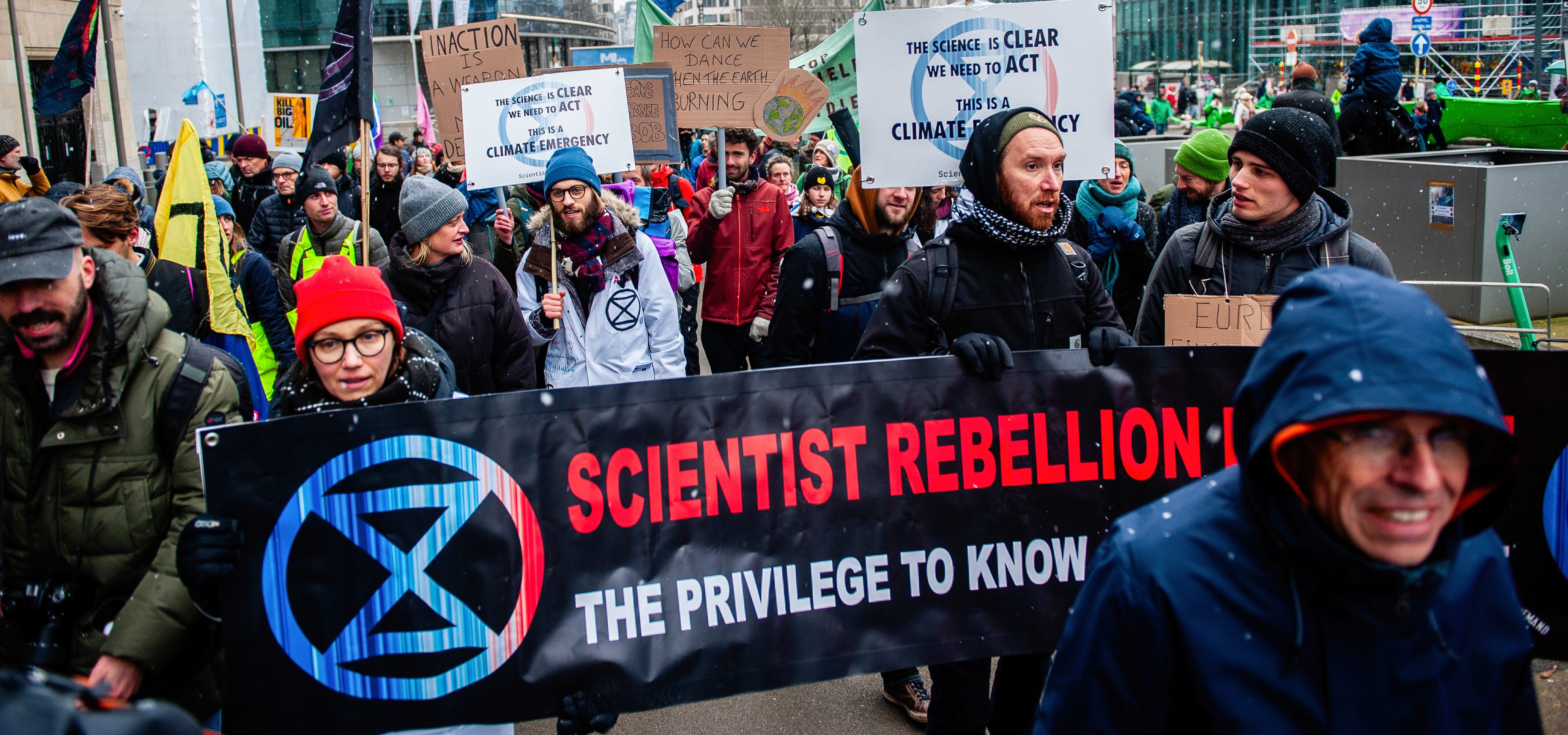
For two decades, scientists have said that human emissions have made hurricanes stronger, seas rise faster, and droughts more severe.
“This combined PDI has nearly doubled over the past 30 yr,” said the 2005 Nature paper by Kerry Emanuel of the Massachusetts Institute of Technology, with PDI being his index of storm power. Warming raised the odds that a storm reached major hurricane strength by “about 8% per decade,” said the 2020 paper in the Proceedings of the National Academy of Sciences (PNAS) by James Kossin of the National Oceanic and Atmospheric Administration (NOAA). Climate change made a storm like Hurricane Melissa more frequent “by a factor of about 5,” said the Nov. 6, 2025 report by World Weather Attribution (WWA).
The seas would rise “0.5 to 1.4 meters above the 1990 level” by 2100, said the 2007 Science paper by Stefan Rahmstorf of the Potsdam Institute for Climate Impact Research.
The atmosphere’s thirst had “made droughts 40% more severe across the globe,” the University of Oxford said in June 2025 of a paper in Nature, which the journal retracted on Sept. 2. “It is likely that the global proportion of major (Category 3-5) tropical cyclone occurrence has increased over the last four decades,” the Intergovernmental Panel on Climate Change (IPCC) said in 2021.
But in every case, the instruments directly measuring the phenomenon in question (storm strength, tide gauges, and rain gauges) show no trend, or no acceleration, beyond natural variability.
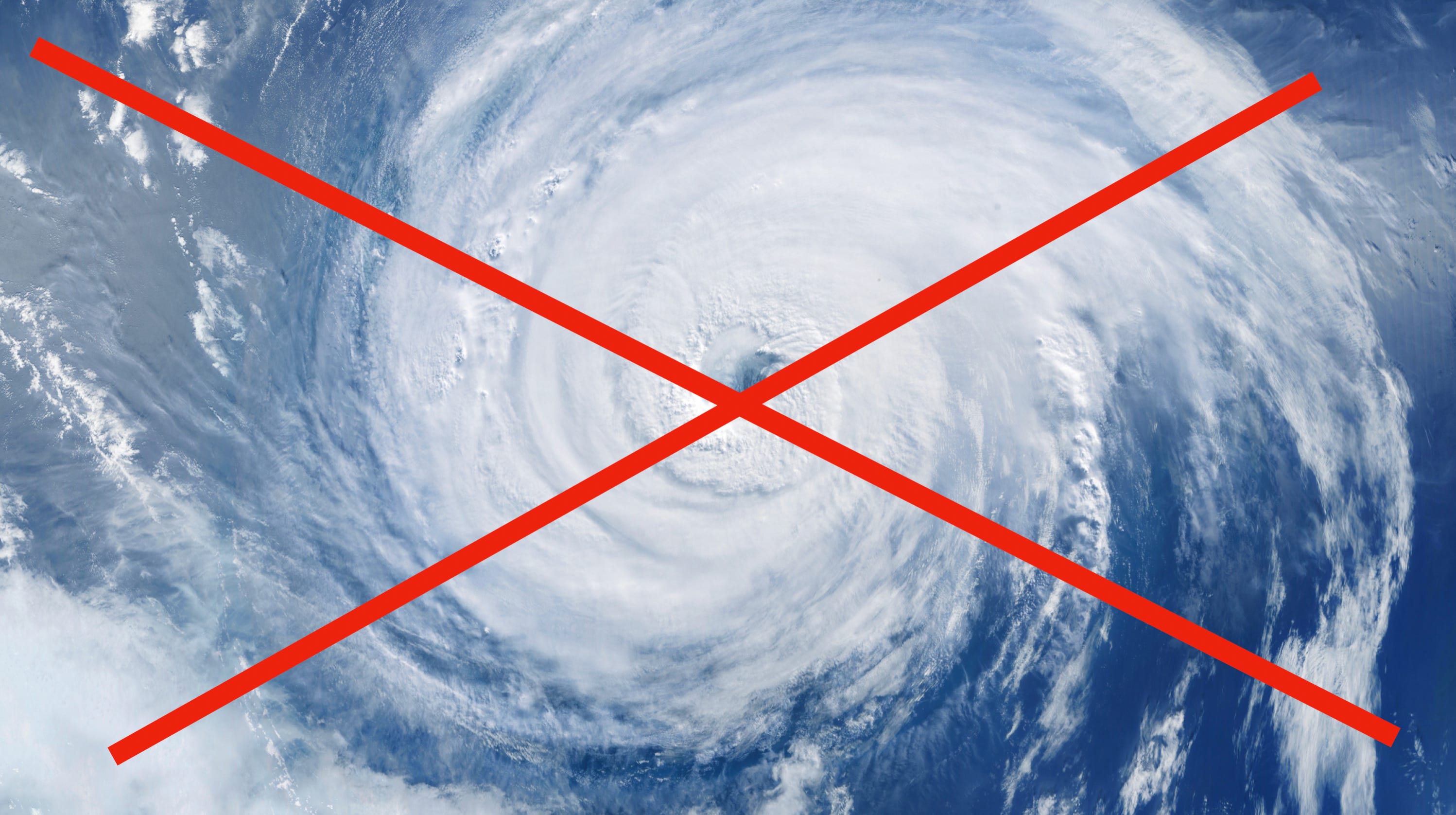
Atlantic hurricane counts rose across the 20th century only because ships and satellites found storms that earlier detection methods had missed, and the recorded increases “are consistent with changes in observing practices and not likely a true climate trend,” concluded the 2021 Nature Communications paper by Gabriel Vecchi of Princeton and Chris Landsea of the National Hurricane Center.
Meanwhile, 2026 is the first year since 1914 that the Atlantic has produced six named storms and no hurricanes.
In terms of sea level rise, “There is no evidence for an apparent acceleration in the past 100+ years that is significant either statistically, or in comparison to values associated with global warming,” found a 1992 study by Bruce Douglas.
That remains the case today. “In both datasets, approximately 95% of the suitable locations show no statistically significant acceleration of the rate of sea level rise,” said an August 2025 paper by Hessel Voortman and Rob De Vos, which ran the test at 204 stations in one global network and 39 in another.
“Meteorological droughts do not show any substantial changes at the global scale in at least the last 120 years,” concluded a 2022 review by Sergio Vicente-Serrano of the Spanish National Research Council, who co-wrote the Oxford paper. “We find no significant acceleration of drought trends across ~99% of quasi-global land area under either PET type,” said a September 2026 paper in Communications Earth & Environment by Jiameng Xu, Kaighin McColl of Harvard and seven co-authors, PET being the atmosphere’s potential to evaporate water.