


American progressives and European politicians reacted angrily to the announcement earlier this week that the Trump administration would deny travel visas to individuals it says are involved in the Censorship Industrial Complex. A European Commission spokesperson said it “strongly condemns the U.S. decision” and that “Freedom of expression is a fundamental right in Europe and a shared core value with the United States across the democratic world.”
The story is important for American audiences, both because what’s happened in Europe is a warning for what could happen in the United States, and the Trump administration’s actions have intensified the conflict between the U.S. and Europe.
Consider the reaction from American progressives. “Trump administration sanctions five foreigners it considers at odds with American values,” wrote New York Times chief political correspondent, Peter Baker, on X. “Russians? Chinese? Iranians? No, Europeans who fight disinformation and online abuse but stand accused by Trump officials of censorship.”
California state legislator, Scott Weiner, who is expected to replace Nancy Pelosi in the House, said, “Let’s be clear what this is about: Ensuring MAGA-fueled platforms can disseminate propaganda, misinformation & hate globally & elect authoritarian governments — including Nazi-aligned governments — in Europe.”
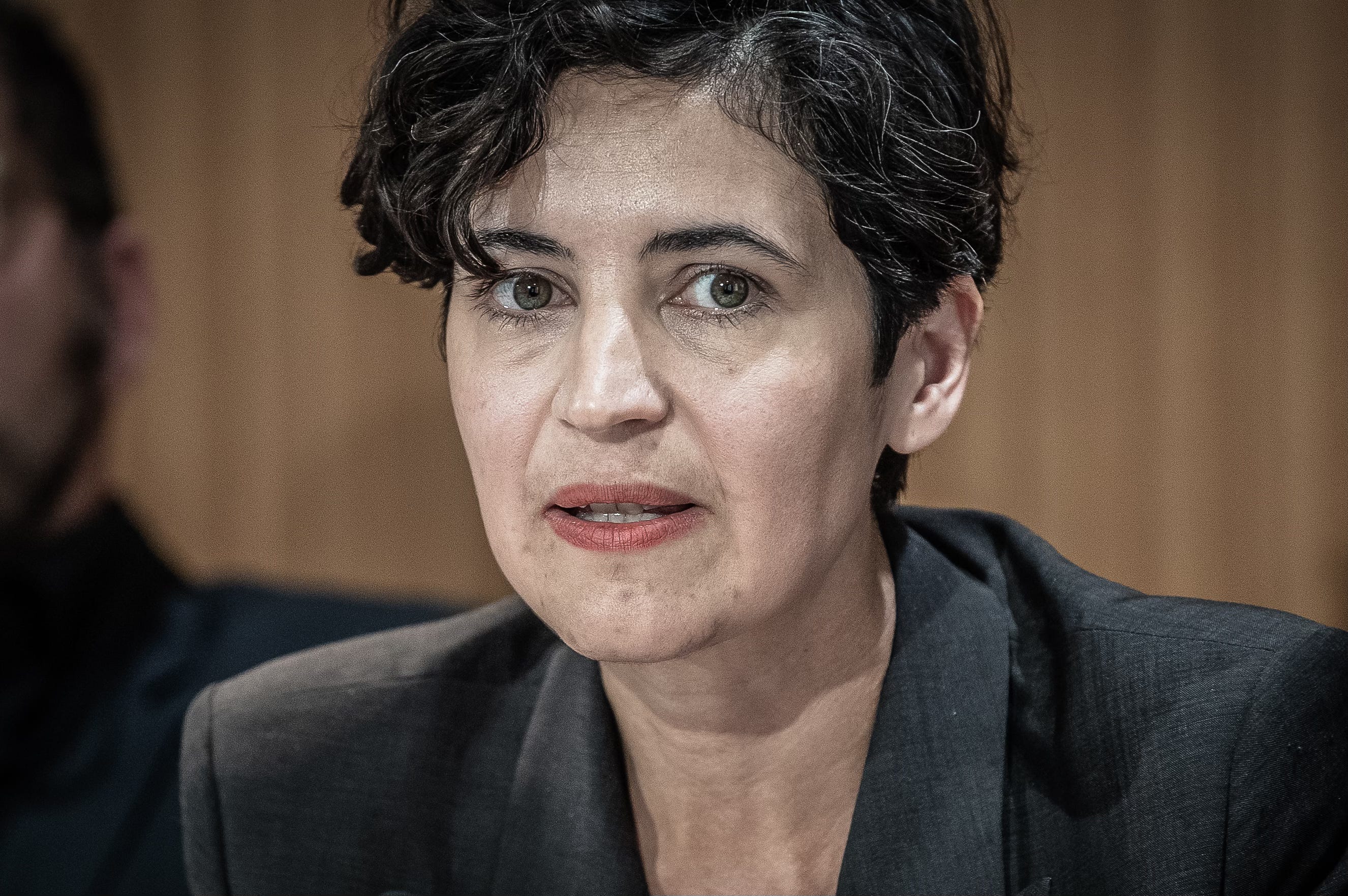
The US included Anna-Lena von Hodenberg and Josephine Ballon of the German non-profit HateAid in the travel bans. “We will not be intimidated by a government that uses accusations of censorship to silence those who stand up for human rights and freedom of expression,” they said in a statement.”
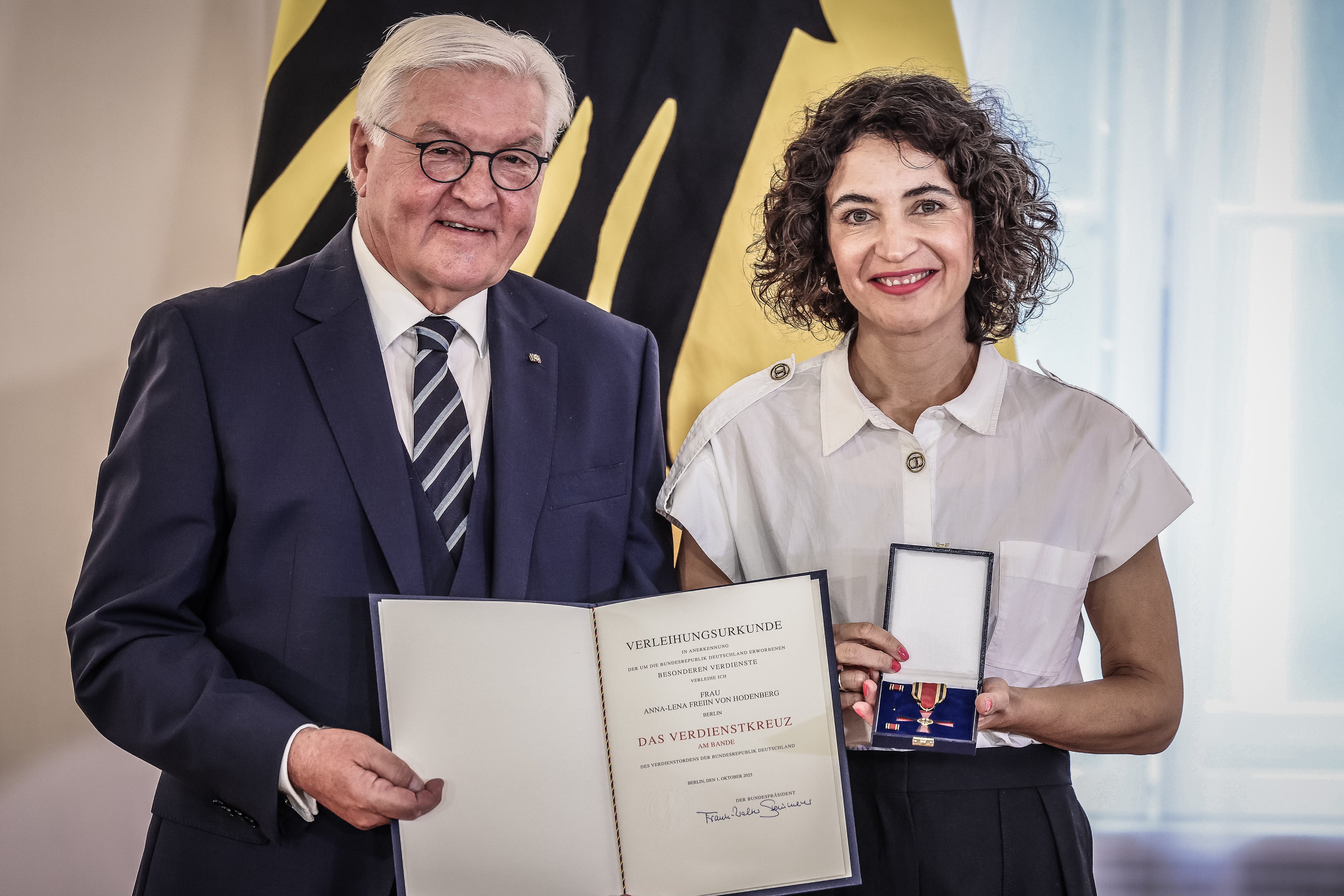
German politicians and media have for years celebrated HateAid. In 2024, the BILD media group gave Hodenberg a “Golden Image of the Woman” award. In October of this year, Germany’s President awarded Hodenberg, the Federal Cross of Merit, a high honor, for “strengthening democratic core values online” and “working at the EU level for a safe and democratic internet.”
In June of this year, the government made HateAid a “Trusted Flagger,” under the EU’s Digital Services Act (DSA), which authorizes censorship. The Trusted Flagger status gives the organization the right to have its reports prioritized by social media platforms and forces operators to act quickly when HateAid flags comments. HateAid effectively becomes a kind of online sheriff.
Slowly but persistently, HateAid has succeeded in shaping the discourse on free speech in Germany and emboldening politicians who believe they have the right to crack down on unwelcome opinions. “Free speech needs boundaries,” said Ballon. “Without boundaries, a tiny group of people can rely on endless freedom to say anything that they want, while everyone else is scared and intimidated.”
How did HateAid become so powerful? Who is really behind it?
