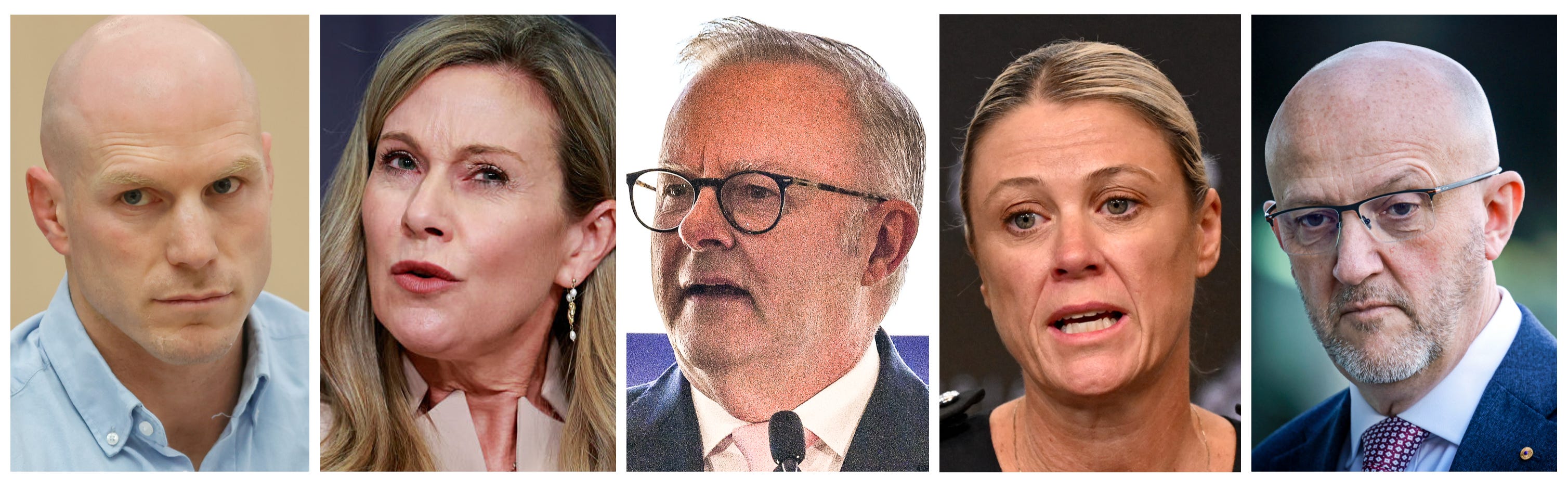
Over the last decade, politicians, NGOs, and journalists across the West have blamed online speech for real-world political violence. In Australia recently, politicians and others blamed social media for an attack on a left-wing member of parliament, Helen Haines, who was run over by a man in his car. “We’ve got these big US social media companies and their business model, to me, seems pretty incompatible,” said Senator David Pocock after the attack. “That’s something we’ve got to look very hard at as a country and as elected representatives.” Said Bill Shorten, a former Labor leader who now runs the University of Canberra, “I think that some people, through the algorithms of the big tech bros and social media, have been radicalized online.” Mike Burgess, director-general of the Australian Security Intelligence Organisation (ASIO), Australia’s FBI, decried a “permissive environment of violence.” And Commissioner of the Australian Federal Police Krissy Barrett said the things politicians said online “does have a direct correlation to what we see in terms of threats and abuse.”
But it was clear within hours that the alleged attacker of the Australian MP was intoxicated and likely mentally ill, and within days it was revealed that he and his family had been friends with her for years. A source close to the investigation said he “was known to police” and that “It is understood he has undergone a mental health assessment.” People online quickly discovered that the alleged attacker had posted regularly about climate change and Gaza and that the head of the Australian Green Party followed him on X. As such, he attacked the member of Parliament closest to his apparent views, which challenges the notion that his politics motivated him. As for Barrett, she declined to give a single example of things people said online resulting in real-world violence.
Correlation is not causation. Killers may have consumed violent media, but so too did practically everyone else in society. It would make sense that would-be killers, who often fantasize about their violence before doing it, would consume more violent content. And so if there is a relationship, it could show the opposite causal direction.
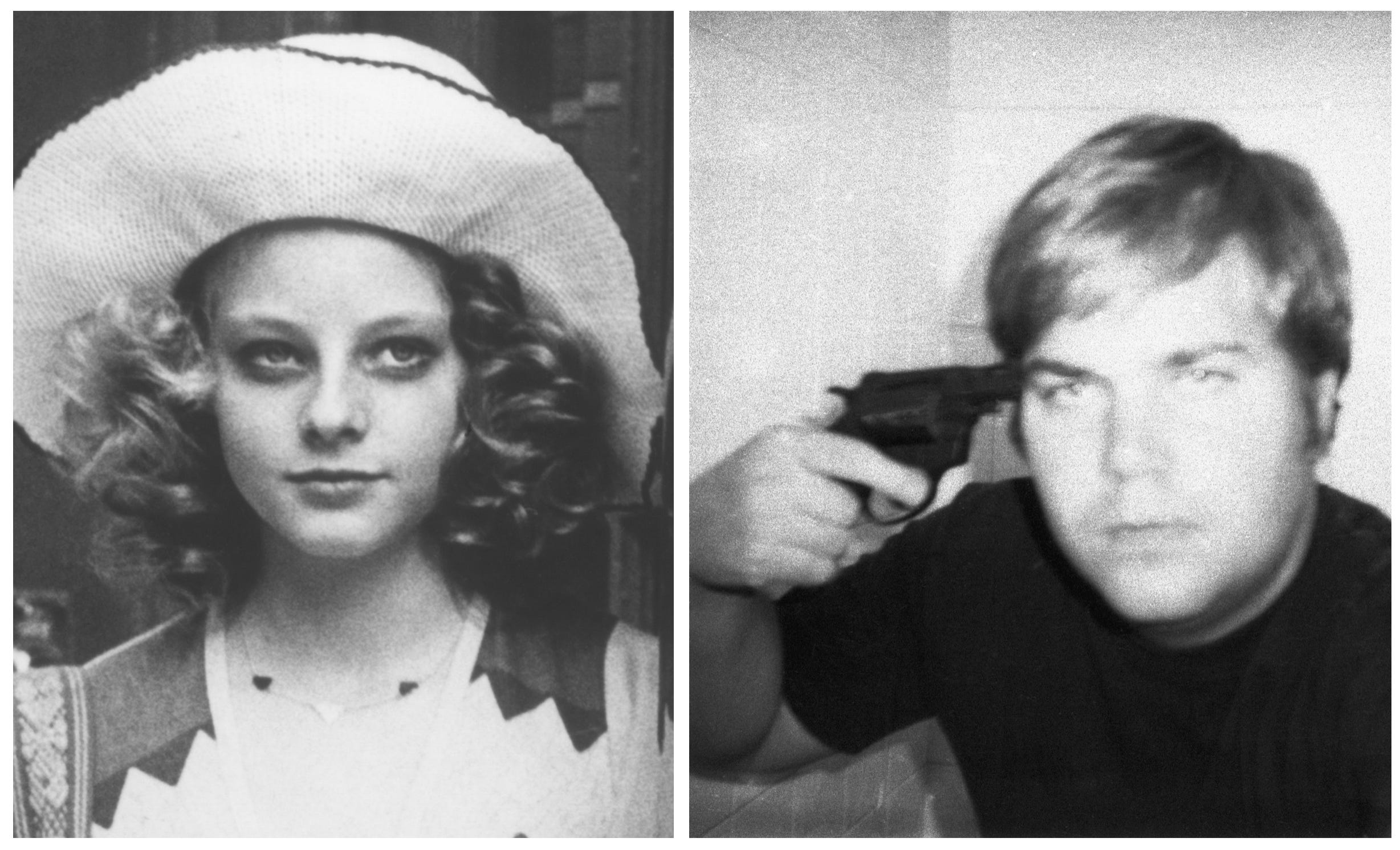
Moreover, relying on the testimony of killers, many of whom suffer from personality disorders or mental illness, is irrational. The man who shot Ronald Reagan said he did so out of an obsession with Jodie Foster in Martin Scorsese’s “Taxi Driver.” Nobody proposed censoring “Taxi Driver,” Scorsese movies, or Foster, and yet politicians and bureaucrats around the world proposed mass online censorship because the Buffalo shooter said he was inspired by Christchurch.