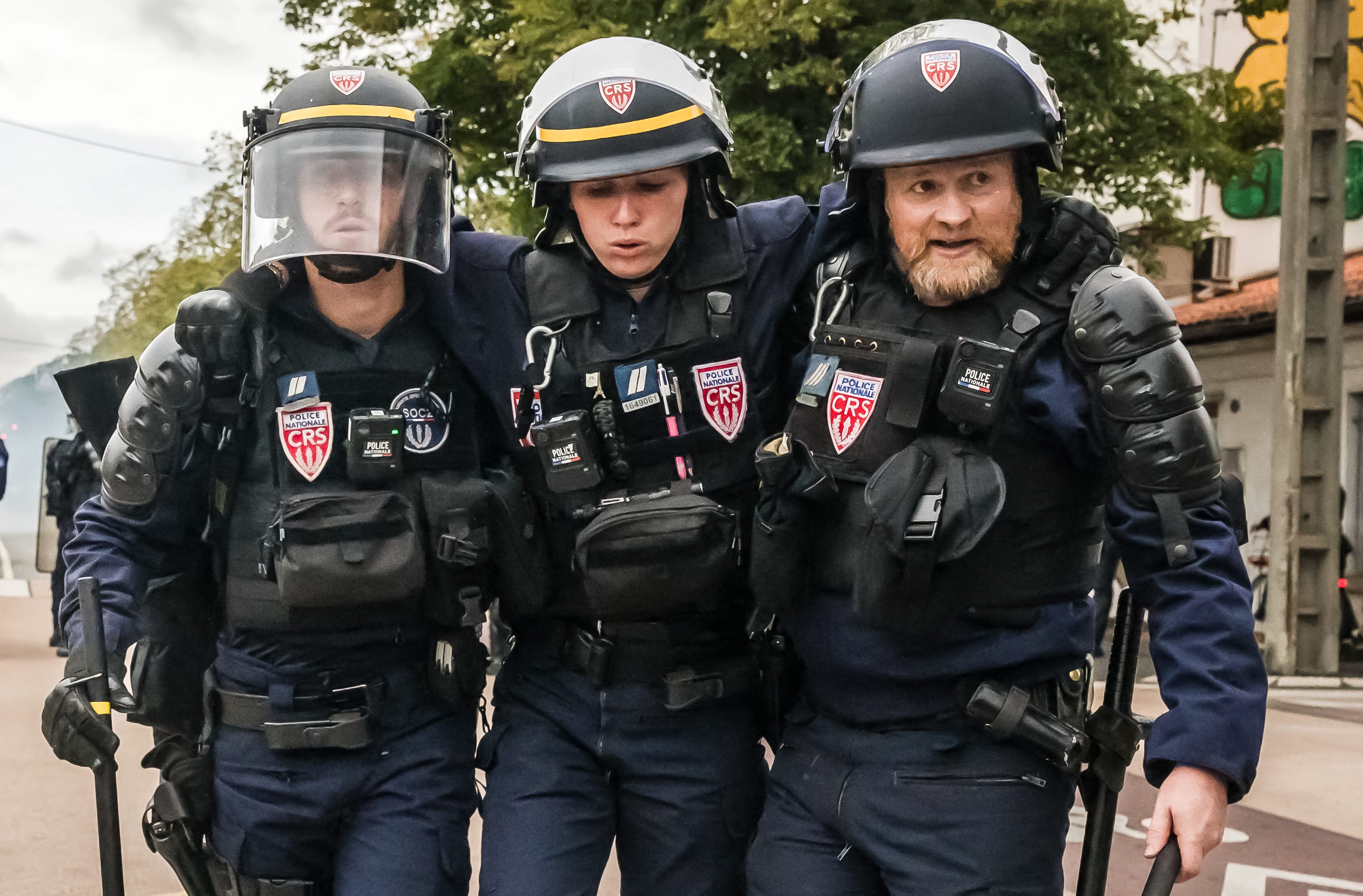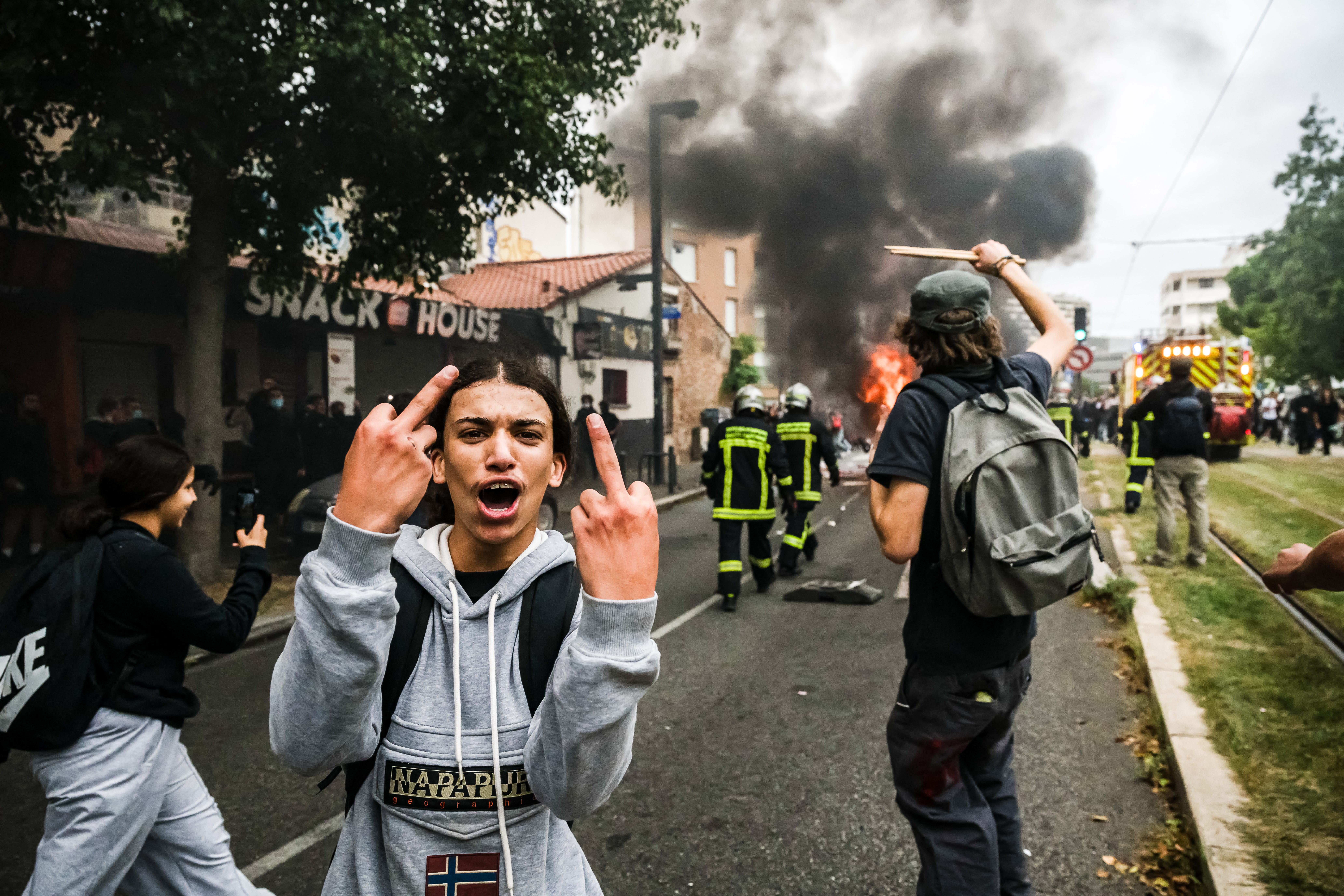
For more than a decade, the news media and establishment politicians have demanded that social media platforms censor “far right” and anti-migrant voices in order to prevent “real-world violence.” In a 2019 hearing at which representatives from Facebook and Google testified, the New York Democrat who chaired the House Judiciary Committee said, “White nationalism and its proliferation online have real consequences…Americans have died because of it.” After a gunman killed 10 people in Buffalo in 2022, the state’s attorney general asked Congress to make the platforms’ legal immunity depend on how they policed such content. “Online platforms should be held accountable for allowing hateful and dangerous content to spread on their platforms,” New York’s attorney general said in 2022.
In Europe, politicians stepped up their demands for censorship during the 2015 migrant wave. A live microphone at a United Nations luncheon caught German Chancellor Angela Merkel pressing Facebook’s Mark Zuckerberg about anti-immigrant posts. “Are you working on this?” she asked. Zuckerberg confirmed he was. Eight months later, the European Commission announced that Facebook, Twitter, YouTube and Microsoft had agreed to review flagged hate speech within 24 hours. Over the next several years, the European Commission would secretly dictate terms to social media companies for what they would censor, which Americans only discovered earlier this year.
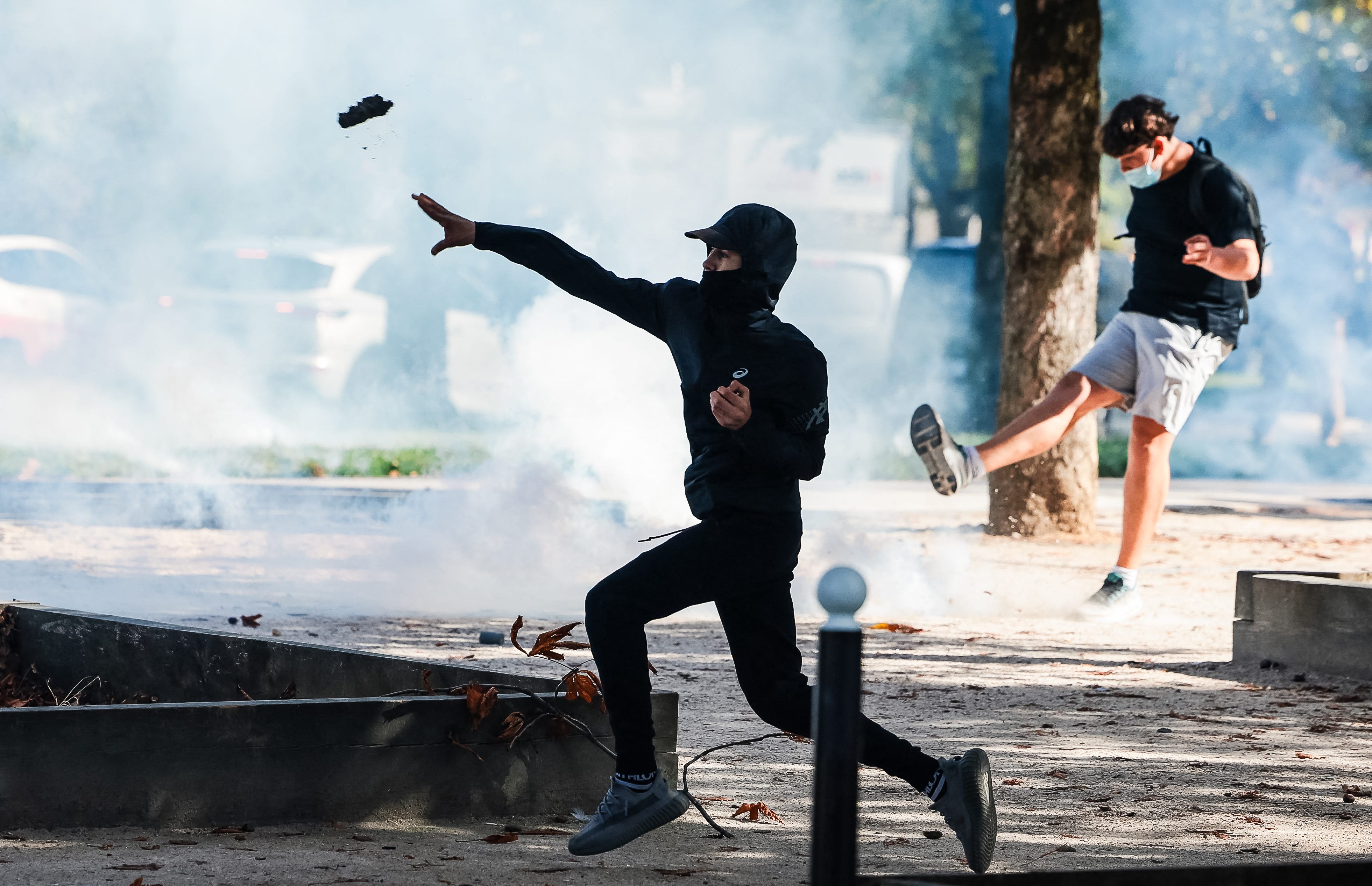
The media emphasized that the violence came from anti-migration forces. “Facebook Fueled Anti-Refugee Attacks in Germany,” read a 2018 headline in The New York Times. When riots followed the murder of three girls in Southport, England, in 2024, Prime Minister Keir Starmer told social media companies that the disorder had been whipped up online. “It’s happening on your premises,” said Starmer. “And the law must be upheld everywhere.”
But when courts, prosecutors and legislatures trace violence to social media, the trail often leads to Islamists and the radical left.